

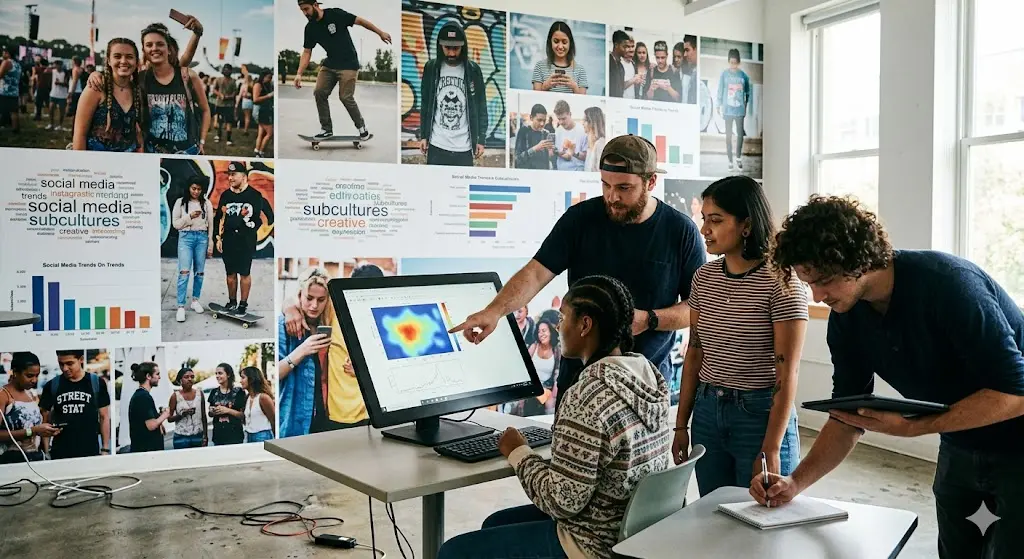
Youth culture is shaping consumer behavior, media trends, education, fashion, entertainment, and even political conversations across the world. Global audience research related to youth culture shows that younger generations aren’t just following trends anymore — they’re creating them at a speed that many industries struggle to keep up with. If you want to understand where markets, digital communities, and cultural movements are heading in 2026, studying youth culture gives you one of the clearest signals.
Global audience research related to youth culture explores how younger generations think, communicate, spend money, consume media, and influence society worldwide. Brands, educators, media companies, and governments use this research to understand changing behaviors, social values, digital habits, and future consumer expectations.
What Is Global Audience Research Related to Youth Culture?
Global Audience Research: A method of studying how specific groups of people behave, interact, and respond to trends, media, products, and social movements across different regions.
When researchers focus on youth culture, they usually examine people between their early teens and late twenties. That includes students, young professionals, creators, gamers, activists, influencers, and digital-first consumers.
Here’s the thing many companies overlook: youth culture changes faster than traditional market research cycles. A trend that explodes in Seoul might influence creators in London within days. Music styles, slang, fashion choices, gaming communities, and even political opinions now move globally almost overnight.
In my experience, businesses that rely only on old demographic reports usually miss what younger audiences actually care about. Age alone doesn’t explain modern youth behavior anymore. Online identity, community belonging, creator influence, and digital values often matter more.
Youth audience research typically studies:
Social media behavior
Streaming and entertainment habits
Buying decisions
Mental health awareness
Education expectations
Technology adoption
Gaming culture
Online communities
Creator economy engagement
What makes this research especially valuable is its predictive power. Younger audiences often adopt behaviors years before older generations follow them.
Why Youth Culture Matters in 2026
Youth culture has become one of the strongest global economic and social forces. That might sound dramatic, but the numbers back it up. Younger consumers influence household spending, entertainment markets, technology adoption, and online purchasing behavior at a huge scale.
What’s interesting is that modern youth culture isn’t defined by geography the way it used to be.
A teenager in India may follow the same creators, gaming trends, and music styles as someone in Brazil or Germany. Shared online experiences are creating global micro-communities that move beyond borders.
Digital Identity Is Replacing Traditional Identity
This is one of the biggest shifts happening right now.
Younger audiences increasingly define themselves through interests rather than location. Gaming groups, fitness communities, creator fandoms, and niche online forums often shape identity more than local surroundings.
That changes how businesses communicate.
Old-school advertising focused on mass audiences. Younger audiences respond better to authenticity, niche relevance, and creator-led storytelling.
Attention Spans Aren’t Actually Shrinking
Here’s a slightly unpopular opinion: people often say young audiences can’t focus anymore, but I don’t completely buy that.
Young people spend hours watching livestreams, podcasts, gaming sessions, and long-form creator content when they genuinely care about it. The real issue is boring content, not attention span limitations.
That insight alone changes how audience research should be interpreted.
Mental Health Conversations Are More Visible
Global youth research also shows a major rise in conversations around stress, burnout, identity pressure, and social comparison. Many younger users openly discuss mental health online in ways previous generations rarely did.
Brands pretending these conversations don’t exist usually come across as disconnected.
How to Research Youth Culture Effectively — Step by Step
Understanding youth culture takes more than checking trending hashtags once a week. You need consistent observation and context.
1. Study Digital Communities Instead of Just Platforms
Most people focus on platforms like video apps or social networks. Smart researchers focus on communities.
A gaming server, fandom group, or creator audience often reveals deeper behavior patterns than platform analytics alone.
For example, a fashion brand might discover emerging streetwear trends faster by monitoring niche creator communities than by reading annual retail reports.
2. Track Behavioral Trends, Not Just Viral Trends
Viral moments fade quickly.
Behavioral changes matter more because they last longer. Watch for patterns like:
Preference for short-form educational content
Rise of independent creators
Growth of community-based shopping
Demand for ethical brands
Subscription fatigue
These shifts often influence entire industries.
3. Use Mixed Research Methods
Strong audience research combines quantitative and qualitative insights.
You need data, but you also need context.
Surveys might show that younger users spend more time on streaming platforms. Interviews explain why they prefer those experiences.
That difference matters.
4. Pay Attention to Regional Nuances
Global youth culture isn’t identical everywhere.
Music trends in Japan may influence gaming culture differently than in North America. Financial concerns among young adults in Europe may differ from those in Southeast Asia.
Good research respects local realities while identifying global overlaps.
5. Monitor Creator-Led Influence
Creators now influence purchasing decisions more than many traditional celebrities.
What most guides miss is that micro-creators often outperform massive influencers in trust and engagement.
A small creator with a loyal audience can drive stronger consumer action than a famous personality with millions of passive followers.
Common Mistake About Youth Audience Research
One major mistake is assuming all young people think alike.
They don’t.
Grouping every young consumer into one category creates shallow research. A university student focused on sustainability behaves very differently from a competitive gaming enthusiast or an early-career entrepreneur.
Another issue? Companies often chase trends too late.
By the time a trend becomes mainstream news, younger audiences may already consider it outdated.
I’ve seen brands spend months building campaigns around trends that disappeared weeks earlier. Honestly, that happens more often than people admit.
Expert Tips That Actually Work
Listen More Than You Publish
Young audiences quickly detect forced marketing language.
Brands that constantly push messages without listening usually struggle to build trust. Research should focus on conversations, not just campaigns.
Expert Tip: Track comment sections and community discussions instead of only reviewing polished influencer content. Real opinions usually appear in informal conversations.
Small Communities Often Predict Big Trends
Counterculture movements frequently become mainstream later.
Years ago, niche creator communities helped normalize short-form video storytelling before large media companies fully adapted.
The same thing is happening now with AI-generated creativity, virtual fashion, and digital identity experimentation.
Authenticity Beats Perfection
Highly polished campaigns sometimes perform worse with younger audiences because they feel manufactured.
Slightly imperfect, human-centered content often creates stronger engagement.
That sounds backward at first, but it reflects how younger users consume media today.
Real-World Example of Youth Culture Influence
A global sportswear company noticed that younger consumers were no longer responding strongly to celebrity endorsements alone.
Instead of investing only in massive campaigns, they partnered with smaller fitness creators and local communities. Engagement increased because audiences felt the messaging was more relatable and less scripted.
Another example comes from gaming culture.
Several music artists grew international audiences after their songs became popular inside gaming streams and short-form creator videos. Traditional radio promotion wasn’t driving discovery anymore. Community-driven exposure was.
That shift completely changed entertainment marketing strategies.
How Youth Culture Shapes Business and Media
Youth audience research now influences:
Product design
Streaming content
Fashion trends
Music marketing
Advertising strategies
Political messaging
Education platforms
Technology development
Businesses that ignore youth behavior often lose cultural relevance faster than expected.
Younger audiences usually reward brands that feel adaptable, transparent, and community-aware.
People Most Asked About Youth Culture
Why is youth culture important in global research?
Youth culture often predicts future consumer behavior, media trends, and digital habits. Researchers study younger audiences because their preferences frequently shape mainstream culture later.
How does social media influence youth culture?
Social media accelerates trend sharing, identity formation, and online community growth. It allows trends to spread globally within hours instead of months or years.
What industries rely most on youth audience research?
Fashion, gaming, entertainment, technology, education, and digital marketing industries rely heavily on youth audience insights to guide strategy and product development.
Are global youth trends becoming more similar?
In some ways, yes. Shared digital platforms create overlapping interests worldwide. However, regional culture, language, and economic realities still influence how trends evolve locally.
What is the biggest challenge in researching youth culture?
Speed. Trends change rapidly, and many traditional research systems move too slowly to capture emerging behaviors accurately.
Do younger audiences trust brands less today?
Probably. Many younger consumers are skeptical of overly polished advertising and prefer authentic communication, creator recommendations, and transparent messaging.
How does gaming affect youth culture globally?
Gaming influences communication styles, entertainment habits, social interaction, fashion, music discovery, and even online economies. It’s become a major cultural driver rather than just a hobby.
Final Thoughts on Global Audience Research Related to Youth Culture
Global audience research related to youth culture helps businesses, educators, creators, and marketers understand where society is moving next. Younger audiences influence trends far beyond entertainment or social media. They shape commerce, technology, communication, and cultural values at a global level.
The biggest lesson from recent research is surprisingly simple: younger audiences don’t just want products or content anymore. They want participation, identity, connection, and relevance. Companies that understand that shift will probably stay culturally relevant much longer than those chasing outdated marketing playbooks.
Our network supports businesses looking for press release distribution services and powerful SEO services designed to improve brand visibility, organic traffic, and media coverage. Whether you're a startup, agency, or growing brand, our solutions help deliver high authority backlinks, instant publishing opportunities, and stronger SEO ranking through trusted digital promotion strategies.