

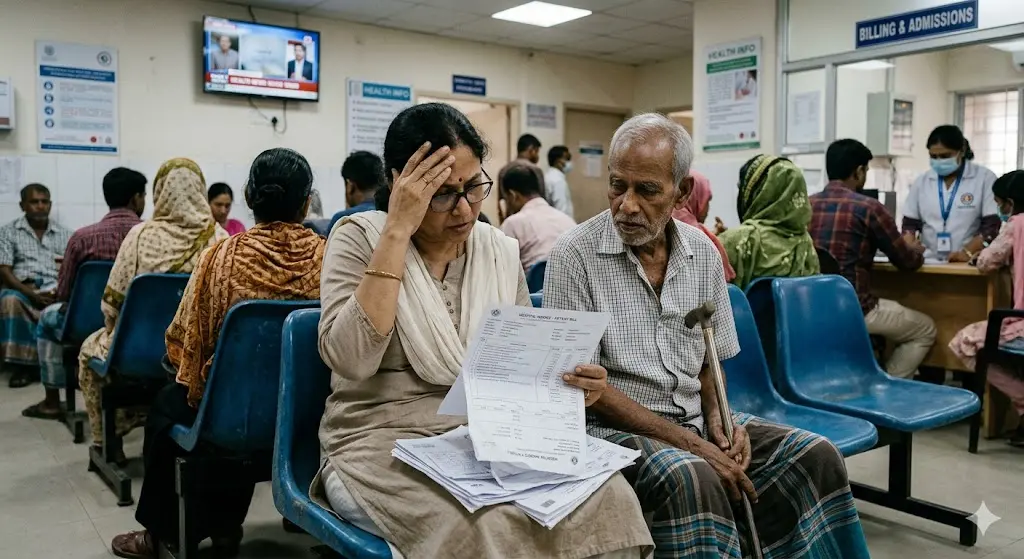
Financial literacy in healthcare is becoming a global concern because medical costs are rising faster than many people’s ability to understand insurance, treatment pricing, debt risks, and long-term healthcare planning. Across different countries, patients are struggling to make informed financial decisions while navigating complex healthcare systems.
Healthcare and money are now tightly connected. If people don’t understand medical expenses, insurance coverage, or healthcare budgeting, they often delay treatment, avoid preventive care, or fall into long-term financial stress. That’s exactly why experts are paying closer attention to healthcare financial education in 2026.
Why is financial literacy a growing concern in healthcare worldwide? Rising medical costs, confusing insurance systems, healthcare debt, and limited financial education are leaving millions unable to make informed healthcare decisions. Better financial literacy helps patients manage medical expenses, reduce stress, and improve access to long-term healthcare support.
What Is Financial Literacy in Healthcare?
Financial literacy in healthcare refers to a person’s ability to understand, manage, and make informed decisions about healthcare costs, insurance plans, medical debt, treatment pricing, and long-term health-related financial planning.
Here’s the thing: healthcare decisions are no longer just medical decisions.
People now compare insurance plans, evaluate treatment affordability, calculate prescription costs, and think about future medical emergencies before agreeing to care. In many countries, even a short hospital stay can create years of financial pressure if someone isn’t prepared.
Healthcare Financial Literacy: The ability to understand healthcare costs, insurance systems, medical billing, and financial planning related to personal health decisions.
Research from global health organizations shows that many adults still struggle with basic healthcare cost concepts. Some don’t understand deductibles. Others assume insurance automatically covers all treatments. A surprising number of patients avoid opening medical bills entirely because the process feels overwhelming.
Honestly, that confusion can become dangerous.
When financial uncertainty enters healthcare decisions, people often postpone doctor visits, skip medications, or choose cheaper treatments that may not fully solve the problem.
Why Does Financial Literacy in Healthcare Matter in 2026?
Healthcare systems worldwide are changing quickly in 2026. Telemedicine, private insurance expansion, digital healthcare platforms, and personalized treatments have created more choices for patients. More choices sound good in theory. But they also create more financial complexity.
What most people overlook is that healthcare stress isn’t only physical anymore. It’s financial too.
In some countries, families spend years repaying medical loans. In others, aging populations are increasing pressure on healthcare systems while inflation pushes treatment prices higher. Even middle-income households now worry about emergency healthcare affordability.
In my experience, people usually prepare financially for education, housing, or retirement before they prepare for healthcare emergencies. That gap creates problems later.
Another issue researchers are noticing involves healthcare misinformation. Patients sometimes trust social media advice or misleading online claims about “cheap treatments” without understanding financial or medical risks. Poor healthcare financial education makes people more vulnerable to scams and bad decisions.
A counterintuitive point here: wealthier individuals are not automatically financially literate in healthcare.
Someone may earn a high salary and still misunderstand insurance policies, prescription pricing structures, or long-term care planning. Financial literacy is about understanding systems, not just earning money.
The Global Rise of Medical Debt
Medical debt has become a serious concern in many regions worldwide. Rising treatment costs, unexpected surgeries, chronic illness management, and limited insurance protection are contributing to financial strain.
Imagine this realistic situation.
A family handles everyday expenses comfortably, but one emergency surgery changes everything. Insurance only covers part of the treatment. Recovery takes months. Income drops while medical bills continue arriving. Suddenly the family enters debt despite previously stable finances.
That scenario happens more often than people think.
Researchers studying healthcare economics increasingly connect financial stress with mental health challenges such as anxiety, burnout, and emotional exhaustion.
Expert Tip
If you’re reviewing health insurance, don’t focus only on monthly premiums. Pay attention to hidden costs like deductibles, prescription coverage, emergency care limits, and out-of-network charges. Those details often matter more during a medical crisis.
How Does Poor Financial Literacy Affect Human Health?
Poor financial literacy doesn’t just hurt bank accounts. It can directly affect physical and emotional well-being.
Many patients delay healthcare because they fear costs they don’t fully understand. Preventive screenings get skipped. Medications aren’t purchased consistently. Follow-up appointments disappear from priority lists.
Here’s where it gets complicated.
Ignoring smaller healthcare expenses today often creates larger medical costs later. Researchers have found that untreated health conditions usually become more expensive and harder to manage over time.
I’ve seen people avoid simple consultations because they worried about cost confusion, only to face far bigger medical bills months later. That pattern is surprisingly common.
Stress also plays a major role.
Financial pressure linked to healthcare can increase anxiety levels, reduce sleep quality, and strain family relationships. Chronic stress itself may worsen existing health conditions, creating a cycle that’s hard to escape.
Healthcare Cost Transparency Problems
One growing complaint worldwide involves healthcare pricing transparency. Patients frequently don’t know treatment costs until after receiving care.
That uncertainty creates frustration and distrust.
Unlike shopping for most services, healthcare pricing often feels hidden or inconsistent. Two patients may receive similar treatments while paying very different amounts depending on insurance, location, or provider agreements.
Researchers argue that clearer healthcare pricing systems could improve both financial planning and patient confidence.
How Can People Improve Financial Literacy in Healthcare? — Step by Step
Improving healthcare financial literacy doesn’t require becoming an economist. Small practical habits usually make the biggest difference.
1. Learn Basic Insurance Terms
Understanding deductibles, premiums, co-payments, and coverage limits helps people avoid costly surprises later.
Most healthcare confusion begins because patients don’t fully understand these basics.
2. Review Medical Bills Carefully
Billing mistakes happen more often than many expect. Reviewing charges carefully may help identify duplicate fees, incorrect services, or insurance processing issues.
A five-minute review could save significant money.
3. Build a Healthcare Emergency Fund
Even modest savings can reduce financial panic during unexpected medical situations. Experts often recommend setting aside healthcare-specific emergency funds separately from general savings.
4. Compare Healthcare Options
Patients should compare treatment providers, prescription costs, and insurance plans whenever possible. Prices can vary widely for similar services.
That part feels frustrating sometimes, honestly, but it matters.
5. Use Preventive Healthcare Services
Preventive screenings and regular checkups may reduce long-term healthcare expenses by identifying issues early before they become severe or expensive.
6. Seek Reliable Financial Education
Healthcare financial literacy programs, patient education resources, and trusted medical organizations can help people better understand healthcare systems and planning strategies.
Common Mistake People Make About Healthcare Costs
Many people assume insurance eliminates financial risk entirely.
It doesn’t.
Insurance reduces risk, but unexpected costs still appear through exclusions, uncovered treatments, specialist visits, medication pricing, or long-term rehabilitation needs.
That misunderstanding probably explains why even insured patients sometimes experience financial hardship after major medical events.
Why Are Younger Generations Struggling With Healthcare Financial Literacy?
Younger adults face unique healthcare financial challenges. Many enter adulthood with limited understanding of insurance systems, rising living expenses, student debt, and unstable job markets.
Healthcare planning often gets pushed aside.
A person in their twenties may think serious medical emergencies are unlikely, so financial preparation feels unnecessary. Unfortunately, accidents, chronic conditions, and mental health treatment costs can affect people at any age.
What’s interesting is that younger generations are often digitally skilled but financially unprepared for healthcare complexity.
They can compare smartphones instantly but struggle to compare insurance policies or treatment coverage structures.
Researchers also note that social media sometimes spreads unrealistic healthcare expectations. Wellness influencers may promote expensive treatments, supplements, or private healthcare services without discussing long-term financial impact.
Expert Tip
Don’t wait for a medical emergency before learning how your healthcare system works. Spend one afternoon reviewing your insurance coverage and emergency options now. Future-you will probably thank you later.
What Actually Works for Better Healthcare Financial Planning?
Here’s my personal opinion: most healthcare financial advice is too complicated.
People don’t need fifty-page financial manuals. They need simple, understandable guidance connected to real-life situations.
What actually works is practical awareness.
Families who discuss healthcare expenses openly tend to prepare better for emergencies. People who regularly review insurance coverage usually make faster and calmer decisions during medical situations. Patients who ask questions about treatment costs often avoid unnecessary financial surprises.
Another important point researchers mention involves communication.
Patients sometimes feel uncomfortable discussing money with doctors or hospitals. But asking about costs, payment plans, or alternative treatment options can genuinely help.
One realistic example comes to mind.
Imagine a patient needing long-term therapy sessions. Without asking questions, they assume treatment is unaffordable and stop attending. Later they discover payment support options were available the entire time. Lack of communication created unnecessary stress and delayed care.
That’s not rare at all.
How Are Governments and Healthcare Systems Responding?
Governments, insurers, and healthcare organizations are increasingly recognizing financial literacy as part of public health strategy.
Some healthcare providers now offer patient financial counselors to explain treatment costs and insurance coverage before procedures happen. Schools and universities in certain regions are also introducing financial education programs that include healthcare planning.
Digital healthcare apps are changing things too.
Patients can now compare prescription prices, estimate treatment costs, track insurance claims, and manage healthcare spending directly from mobile devices. That accessibility may improve financial awareness over time.
Still, access remains uneven globally.
In lower-income regions, many people continue facing limited healthcare information, restricted insurance access, and high out-of-pocket medical expenses. Financial literacy alone cannot solve systemic healthcare inequality, but it can help people make more informed choices within existing systems.
People Most Asked About Why Financial Literacy Is a Growing Concern in Healthcare Worldwide
Why is financial literacy important in healthcare?
Financial literacy helps people understand medical costs, insurance plans, healthcare budgeting, and treatment affordability. Better financial understanding often reduces stress and improves healthcare decision-making.
How does poor financial literacy affect health?
Poor financial literacy may lead people to delay treatment, skip medications, avoid preventive care, or experience healthcare-related stress and debt. These issues can negatively affect both mental and physical health.
Are healthcare costs increasing worldwide?
Yes, healthcare costs are rising in many countries due to inflation, aging populations, advanced medical technologies, and increased demand for healthcare services.
What is healthcare financial planning?
Healthcare financial planning involves preparing for medical expenses through budgeting, insurance understanding, emergency savings, and long-term care preparation.
Can financial stress worsen health conditions?
Yes. Research suggests long-term financial stress may increase anxiety, sleep problems, emotional strain, and stress-related health issues.
Why do insured patients still face medical debt?
Insurance policies often include deductibles, uncovered treatments, medication limits, and out-of-network expenses. Patients sometimes underestimate these additional costs.
Is healthcare financial literacy improving?
Awareness is improving slowly, especially through digital education and patient support programs. However, many people still struggle to fully understand healthcare financial systems.
Final Thoughts on Why Financial Literacy Is a Growing Concern in Healthcare Worldwide
Why financial literacy is a growing concern in healthcare worldwide comes down to one simple reality: healthcare decisions now carry major financial consequences for millions of people.
Rising treatment costs, insurance complexity, medical debt, and limited public education are forcing patients to become financially informed faster than ever before. People who understand healthcare costs and planning strategies are generally better prepared to manage emergencies, reduce stress, and access consistent care.
At least from what I’ve seen, the future of healthcare won’t depend only on medical innovation. It will also depend on whether ordinary people can actually understand and afford the systems designed to help them.
Businesses and SEO professionals aiming for stronger online reach can benefit from trusted online press release distribution and results-driven local SEO services. These solutions help improve SEO ranking, generate organic traffic, secure high authority backlinks, increase media coverage, and support instant publishing strategies that strengthen long-term brand visibility across competitive markets.