

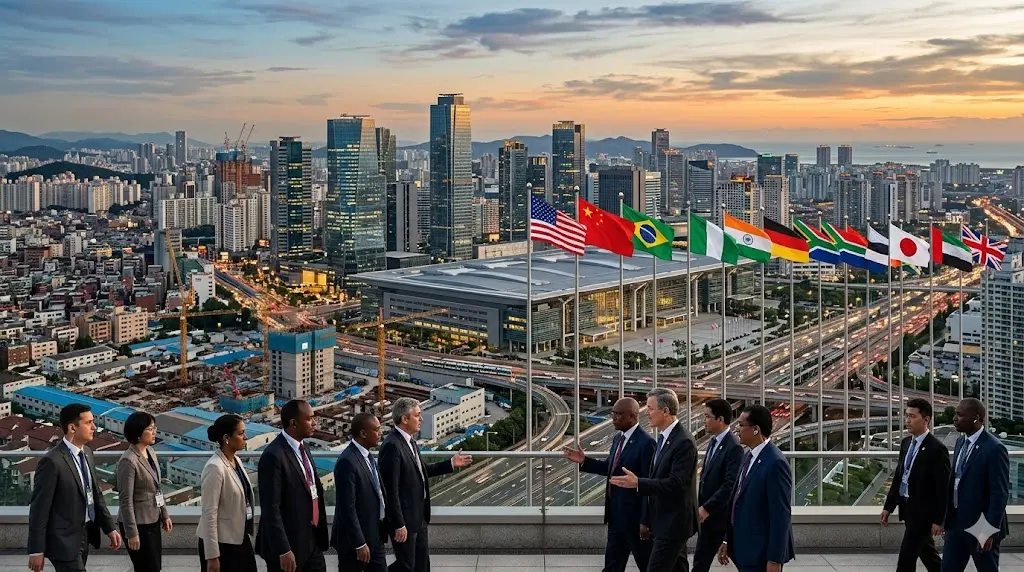
Why urbanisation is influencing international relations comes down to one major shift: cities are becoming more powerful than ever before. As populations move into urban areas, governments are being forced to rethink trade, migration, infrastructure, diplomacy, climate policy, and economic cooperation. In 2026, international relations are no longer shaped only by national borders. Global cities now influence policy decisions, investment flows, and geopolitical priorities in ways that would’ve seemed unusual twenty years ago.
Urbanisation is influencing international relations because rapidly growing cities affect migration, global trade, housing, climate agreements, transportation systems, and economic partnerships. Countries increasingly cooperate — and sometimes compete — over urban development, infrastructure investment, technology, and resource management.
What Is Urbanisation and Why Does It Matter?
Urbanisation: The process where more people move from rural areas into towns and cities, leading to expanding urban populations and infrastructure.
Urbanisation sounds like a domestic issue at first. Bigger cities. More apartments. More traffic. But here’s the thing — once millions of people concentrate in economic hubs, international politics start changing too.
Cities consume enormous amounts of energy, food, technology, and raw materials. That demand connects nations economically and politically. A growing city in one country may depend heavily on imported fuel, foreign investment, construction materials, or digital infrastructure from another country.
What most people overlook is how urbanisation changes diplomatic priorities. Governments now spend far more time discussing transportation systems, climate resilience, housing development, cybersecurity, and smart-city technology with foreign partners.
In my experience, cities have quietly become international actors themselves. Major urban centers attract global corporations, investors, universities, and political influence that sometimes rival smaller nations.
A realistic example can be seen in global infrastructure projects. Rapidly expanding urban populations in developing economies often require international funding for metro systems, energy grids, and housing initiatives. Those financial partnerships can strengthen diplomatic ties for decades.
Why Urbanisation Matters in 2026
Urbanisation matters even more in 2026 because city populations are growing faster than many governments can comfortably manage.
That creates opportunity. It also creates tension.
Large urban centers generate economic growth, technological innovation, and international business partnerships. At the same time, overcrowding, rising housing costs, environmental pressure, and inequality can create political instability.
Many countries are now competing to attract international investment into urban infrastructure. Smart transportation, green energy systems, AI-driven planning, and digital connectivity have become global priorities.
Here’s where it gets interesting. Cities are increasingly shaping foreign policy decisions directly. International climate agreements, trade deals, and migration policies often revolve around urban concerns rather than purely national interests.
For instance, coastal cities facing climate risks may push governments toward stronger environmental cooperation with neighboring countries. Meanwhile, rapidly industrializing urban regions may seek foreign manufacturing partnerships to support economic expansion.
I’ve noticed that governments with successful urban planning strategies often gain stronger geopolitical influence because stable cities attract talent, tourism, technology companies, and global capital.
Expert Tip
Countries investing early in sustainable urban development tend to improve both domestic stability and international credibility. Investors and diplomatic partners usually prefer economies with modern infrastructure and predictable urban growth.
How Urbanisation Influences International Relations Step by Step
1. Expanding Cities Increase Demand for Global Resources
Growing cities require huge amounts of construction materials, fuel, food, and technology.
That demand strengthens international trade relationships. Countries rich in energy, minerals, agriculture, or manufacturing become strategically valuable to urbanizing nations.
A city expansion project in one country may rely heavily on steel imports, foreign engineering expertise, or overseas financing.
2. Migration Changes Regional Politics
Urbanisation often attracts both domestic and international migration. People move toward cities searching for jobs, education, and stability.
As migration increases, governments must coordinate border management, labor agreements, and refugee policies with neighboring nations.
Migration pressure can improve cooperation between countries. Sometimes it creates tension instead.
3. Climate Agreements Become More Urgent
Urban areas contribute heavily to emissions while also facing major climate risks.
Flooding, heatwaves, pollution, and water shortages are forcing governments to cooperate internationally on sustainability projects. Cities now influence climate diplomacy almost as much as national governments do.
That’s a pretty big shift from older diplomatic models focused mainly on military or trade concerns.
4. Infrastructure Investment Shapes Alliances
Massive urban infrastructure projects require funding, expertise, and long-term partnerships.
Countries providing investment or technology for rail systems, renewable energy, ports, or telecommunications often gain political influence in return.
Economic cooperation around urbanisation has become a modern diplomatic tool.
5. Technology Competition Intensifies
Smart-city systems, surveillance technology, AI traffic management, and digital infrastructure are now part of international competition.
Governments want technologically advanced cities because they attract global business and innovation.
That competition is reshaping relationships between technology-exporting countries and rapidly urbanizing economies.
Expert Tip
Pay attention to which countries dominate urban infrastructure financing in 2026. Financial involvement in city development often creates long-term geopolitical influence that lasts for decades.
Why Global Cities Are Becoming Diplomatic Power Centers
A few decades ago, international relations mostly revolved around national capitals and military alliances.
Now major cities are acting almost like independent global players.
Financial centers influence international markets. Technology hubs shape digital policy. Port cities control trade routes. Tourism-driven urban economies influence visa policies and transportation agreements.
Some city leaders even participate directly in climate networks, innovation partnerships, and economic summits with foreign governments.
That’s the counterintuitive part many people miss: urbanisation is slowly redistributing influence away from national institutions toward metropolitan regions.
Take a hypothetical example. Imagine two neighboring countries with political disagreements but deeply connected urban economies. Their governments may still cooperate economically because disrupting city trade would damage millions of jobs and businesses.
Cities create practical pressure for cooperation.
The Surprising Connection Between Housing and Foreign Policy
Housing shortages might seem like a purely local issue, but they increasingly affect international relations.
Rapid urban growth pushes housing demand higher. Rising costs can increase social unrest, reduce workforce mobility, and discourage international investment.
Governments facing urban housing crises may seek foreign partnerships for construction technology, financing, or infrastructure support.
Here’s what most guides miss: affordable housing is quietly becoming a geopolitical issue.
Countries with stable urban living conditions tend to attract international businesses and skilled workers. Economies struggling with severe urban inequality often face talent shortages and reduced competitiveness.
I remember speaking with someone working in urban planning who said, “Cities compete globally now, not just nationally.” Honestly, that sentence explains a lot about modern diplomacy.
How Urbanisation Is Changing Economic Power
Urban economies generate enormous financial influence.
As cities expand, they become centers for finance, technology, manufacturing, education, and logistics. Governments increasingly shape foreign policy around protecting those urban economic engines.
Trade agreements are now often designed with urban supply chains and industrial corridors in mind. Transportation routes connecting major metropolitan regions have become strategic assets.
Another important factor is labor competition.
Countries with attractive urban economies pull in international talent more easily. Skilled migration affects innovation, productivity, and economic growth, which then influences geopolitical standing.
At least from what I’ve seen, urbanisation is creating a new kind of international competition — one focused less on territory and more on economic attractiveness.
Expert Tip
Nations with efficient transportation, reliable infrastructure, and livable cities often gain long-term diplomatic and economic advantages because global businesses prefer stable urban environments.
Common Misconception About Urbanisation
Urbanisation Only Affects Domestic Policy
That idea really doesn’t hold up anymore.
Urbanisation affects trade negotiations, environmental agreements, migration policy, international investment, labor markets, and technology partnerships. Cities now influence global economics so heavily that foreign policy decisions increasingly revolve around urban needs.
What’s interesting is that some smaller countries gain international importance precisely because they manage urban growth effectively. Smart urban planning can increase global influence far beyond geographic size.
Expert Tips and What Actually Works
In my opinion, countries handling urbanisation successfully are the ones balancing growth with livability.
Bigger cities alone don’t guarantee stronger international influence. Infrastructure quality matters. Public transportation matters. Housing affordability matters. Environmental stability matters too.
One thing I’ve consistently noticed is that international investors care deeply about urban predictability. Businesses avoid cities with severe congestion, unstable utilities, or political unrest.
Another overlooked point is regional cooperation. Neighboring countries often benefit from shared transportation networks, energy systems, and economic corridors connected to urban expansion.
Frankly, urban diplomacy will probably become even more influential over the next decade.
People Most Asked About Why Urbanisation Is Influencing International Relations
Why does urbanisation affect international relations?
Urbanisation affects international relations because growing cities increase demand for trade, infrastructure, migration cooperation, climate agreements, and foreign investment. Governments adapt their diplomatic strategies around urban economic priorities.
How does urbanisation influence global trade?
Expanding cities consume more goods, technology, and resources. That increases international trade relationships and creates stronger economic connections between countries.
Can urbanisation create geopolitical tension?
Yes. Competition over resources, migration pressure, housing demand, and infrastructure investment can create political tension between nations, especially in rapidly developing regions.
Why are smart cities important internationally?
Smart cities attract global businesses, investors, and technology partnerships. Countries with advanced urban systems often gain stronger economic and diplomatic influence.
How does climate change connect to urbanisation?
Many major cities face climate risks like flooding, pollution, and heatwaves. Governments increasingly cooperate internationally on sustainable urban development and environmental policy.
Are cities becoming more powerful than governments?
Not entirely, but major cities now hold significant economic and political influence. In some cases, global metropolitan areas shape international policy discussions more directly than smaller national economies.
Will urbanisation continue shaping international relations after 2026?
Probably yes. Urban growth, digital infrastructure, migration, and sustainability concerns are likely to remain central to diplomacy and global economic planning for many years.
Final Thoughts on Why Urbanisation Is Influencing International Relations
Why urbanisation is influencing international relations ultimately comes down to how interconnected cities have become. Urban growth affects trade, migration, climate cooperation, infrastructure investment, technology competition, and economic stability across borders.
Governments are no longer managing isolated national economies. They’re managing globally connected urban systems that rely heavily on international partnerships.
From what I’ve seen, countries that invest in sustainable, livable, and economically competitive cities are the ones most likely to strengthen their global influence in the years ahead.
Businesses, startups, and agencies looking to boost brand visibility and organic traffic can benefit from online press release distribution combined with citation building services to secure high authority backlinks, stronger SEO ranking, wider media coverage, and instant publishing opportunities that help brands grow faster in competitive digital markets.