
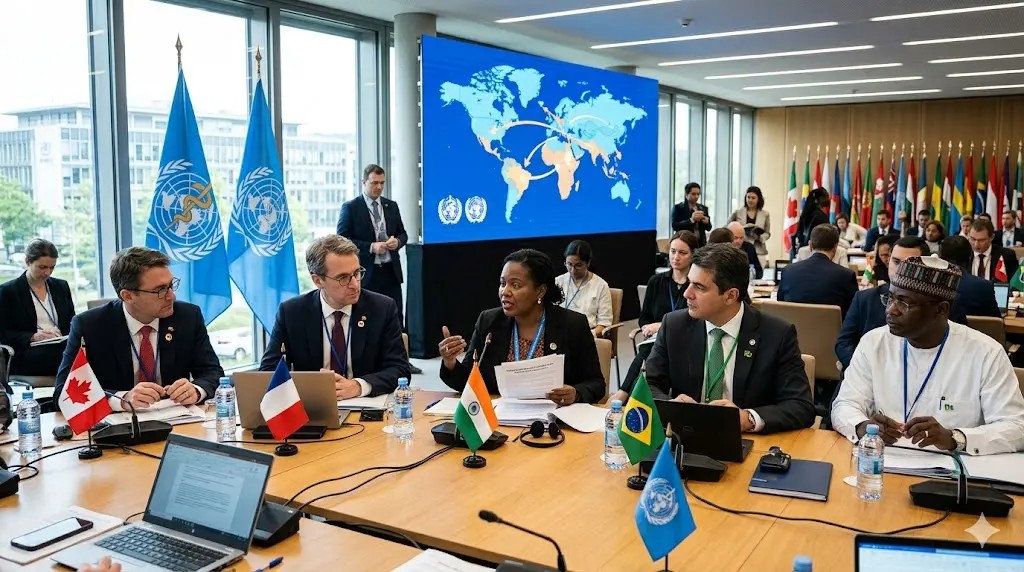
Why healthcare access is influencing international relations comes down to one major reality: countries now understand that public health problems rarely stay inside borders. Healthcare access affects economic stability, migration, diplomatic partnerships, workforce productivity, and even national security. When nations struggle to provide healthcare, the consequences often ripple across neighboring countries and global institutions.
Healthcare access is influencing international relations because nations increasingly depend on one another for medical supplies, vaccine production, healthcare workers, disease control, and emergency response systems. In 2026, healthcare diplomacy has become a serious factor in trade agreements, foreign aid, migration policy, and geopolitical influence.
Why healthcare access is influencing international relations has become one of the most discussed geopolitical questions in recent years. Rising healthcare inequality, medical shortages, aging populations, and global disease outbreaks have forced governments to rethink how health systems connect with diplomacy and international cooperation.
Here’s the thing most people miss: healthcare is no longer viewed as only a domestic issue. It’s now tied directly to economic growth, border security, labor markets, and political stability. A weak healthcare system in one region can disrupt supply chains, increase migration pressure, or create humanitarian crises that affect entire continents.
In my experience, countries that invest in healthcare partnerships tend to build stronger diplomatic relationships over time. Medical cooperation creates trust faster than many political negotiations ever do.
What Is Healthcare Access and Why Does It Matter?
Healthcare Access: The ability of people to receive affordable, timely, and effective medical services without major financial or geographic barriers.
Healthcare access includes hospitals, doctors, medicines, emergency services, vaccinations, mental health support, and preventive care. Sounds straightforward. But globally, access varies dramatically.
Some countries offer advanced healthcare systems with broad public coverage, while others face severe shortages of medical staff, equipment, or funding. That gap creates international consequences.
For example, when healthcare systems become overwhelmed during outbreaks or economic crises, migration often increases. Neighboring countries then face pressure on their own hospitals, labor markets, and public services.
Healthcare access also shapes global perception. Nations known for strong medical research, humanitarian health programs, or international aid frequently gain diplomatic influence. Soft power matters more than many people realize.
What most guides overlook is that healthcare cooperation can sometimes reduce geopolitical tension. Countries with political disagreements may still collaborate on vaccine research, disease monitoring, or emergency medical support because public health problems affect everyone.
Why Healthcare Access Matters in 2026
Healthcare access matters even more in 2026 because governments now view health security as part of national security.
That shift is huge.
After years of supply chain disruptions and global health emergencies, countries realized how vulnerable they were to shortages of medicine, medical technology, and healthcare workers. As a result, healthcare policy has become deeply connected to foreign policy.
A realistic example can be seen in vaccine diplomacy. Imagine two developing countries facing healthcare shortages. One receives large-scale medical support and vaccine distribution from a foreign government. Over time, that medical relationship may strengthen trade agreements, political cooperation, and long-term diplomatic alignment.
Another example involves healthcare worker migration. Wealthier nations often recruit doctors and nurses from countries already struggling with medical shortages. While this helps receiving countries fill workforce gaps, it can create tension with nations losing trained professionals.
Let me be direct: healthcare access now affects global power dynamics more than many defense analysts expected.
There’s also a counterintuitive side to this discussion. Some countries improve international influence not through military strength or trade dominance, but through healthcare support and humanitarian medical outreach. Medical aid creates long-lasting goodwill.
Expert Tip
Countries investing in healthcare partnerships abroad often strengthen economic and diplomatic ties at the same time. Public health cooperation quietly opens doors that political negotiations sometimes can’t.
How Healthcare Access Influences International Relations Step by Step
1. Disease Outbreaks Push Countries Toward Cooperation
Global health threats don’t respect borders.
When infectious diseases spread, governments must coordinate travel rules, data sharing, vaccine development, and emergency response systems. International cooperation becomes unavoidable.
Even countries with tense political relationships may work together during health emergencies because economic disruption affects everyone.
2. Medical Supply Chains Shape Diplomacy
Healthcare systems depend heavily on global manufacturing networks for medicine, equipment, and technology.
If one region controls critical pharmaceutical production, other countries become economically dependent on that supply chain. That dependence influences trade negotiations and foreign policy decisions.
I’ve noticed that governments now talk about medical manufacturing almost the same way they discuss energy security.
3. Healthcare Migration Changes Regional Politics
Millions of people move internationally seeking safer or more affordable healthcare access.
At the same time, healthcare professionals migrate toward countries offering higher salaries and better working conditions. This creates both opportunity and tension.
Developing nations may lose trained medical staff, while wealthier countries become increasingly reliant on foreign healthcare workers.
4. Healthcare Aid Expands Global Influence
Countries providing hospitals, vaccines, humanitarian aid, or health infrastructure support often gain diplomatic trust.
Healthcare diplomacy has become a major tool for strengthening alliances, especially in regions facing economic instability or healthcare shortages.
Soft influence sometimes works more effectively than direct political pressure.
5. Economic Stability Depends on Public Health
Weak healthcare systems reduce workforce productivity, increase poverty risks, and strain government budgets.
Countries facing healthcare crises often require international loans, humanitarian support, or foreign investment. Those economic relationships can reshape international alliances and regional influence.
Expert Tip
Watch how governments discuss “health security” in global meetings. That phrase increasingly includes economics, migration, technology, and foreign policy — not just hospitals or medicine.
Why Medical Technology Is Becoming a Strategic Asset
A few years ago, medical technology wasn’t discussed much in geopolitical conversations. That’s changed fast.
Countries now compete for biotechnology leadership, pharmaceutical innovation, and healthcare data systems because these industries influence both economic growth and national resilience.
What’s interesting is that healthcare technology partnerships are creating new international alliances.
A country with advanced pharmaceutical research capabilities may become an essential strategic partner for nations trying to improve healthcare infrastructure. Medical innovation is now tied directly to diplomatic influence.
Here’s what many people underestimate: dependence on foreign medicine or healthcare technology can create political vulnerability. Governments want greater control over healthcare supply chains because they’ve seen how shortages affect national stability.
In my opinion, healthcare manufacturing independence will probably become one of the biggest strategic priorities over the next decade.
The Surprising Connection Between Healthcare and Global Trust
Healthcare access influences trust between nations more than most people realize.
When countries share vaccines, medical research, or emergency support during crises, diplomatic relationships often improve. Citizens remember which nations offered help when healthcare systems were under pressure.
But the opposite can happen too.
Export restrictions on medicine or vaccine supplies may damage diplomatic relationships quickly. Governments facing shortages tend to prioritize domestic populations first, even if it creates international criticism.
I remember reading about a regional healthcare shortage where neighboring countries competed aggressively for the same medical supplies. What started as an economic issue quickly became a political dispute.
That’s the bigger lesson here: healthcare pressure can strengthen cooperation or increase tension depending on how governments respond.
Common Misconception About Healthcare Access
Healthcare Access Is Only a Domestic Issue
This idea feels outdated now.
Healthcare access affects labor markets, migration, tourism, trade stability, humanitarian aid, and diplomatic credibility. Poor healthcare systems can create international consequences very quickly.
A country struggling with widespread healthcare failures may experience economic instability, increased migration, or declining investor confidence. Neighboring nations often feel those effects too.
That interconnected reality is why international organizations and governments increasingly treat healthcare as a global policy issue rather than an isolated domestic challenge.
Expert Tip
Healthcare diplomacy works best when countries focus on long-term infrastructure support instead of short-term publicity campaigns. Sustainable partnerships usually create stronger international trust.
Expert Tips and What Actually Works
In my experience, countries building resilient healthcare systems usually strengthen their international standing at the same time. Stability attracts investment, partnerships, and political credibility.
One thing I strongly believe is that healthcare cooperation will become more regional in the future. Governments are realizing they can’t rely entirely on distant supply chains during emergencies.
Another overlooked factor is healthcare transparency. Countries sharing accurate medical data and public health information tend to maintain stronger global trust during crises.
Here’s my hot take: healthcare access may eventually become as important to geopolitical influence as military spending. Maybe not overnight, but the shift is already happening.
Nations that lead in medical innovation, vaccine production, biotechnology, and healthcare infrastructure are quietly gaining diplomatic power.
People Most Asked About Why Healthcare Access Is Influencing International Relations
Why does healthcare affect international relations?
Healthcare affects international relations because disease outbreaks, medical supply chains, healthcare migration, and humanitarian crises often cross borders. Governments must cooperate to manage these challenges effectively.
How does healthcare access influence migration?
People frequently migrate seeking better medical treatment, safer living conditions, or healthcare employment opportunities. Large migration patterns can affect diplomatic relationships and regional policy decisions.
What is healthcare diplomacy?
Healthcare diplomacy refers to countries using medical aid, healthcare partnerships, vaccine support, or health infrastructure investment to strengthen international relationships and political influence.
Why are medical supply chains important globally?
Healthcare systems depend on international manufacturing networks for medicine, equipment, and technology. Disruptions in those supply chains can affect national stability and diplomatic negotiations.
Can healthcare cooperation reduce political tension?
Yes, sometimes. Countries with political disagreements may still collaborate on disease prevention, vaccine research, or emergency medical response because public health threats impact everyone.
Why are healthcare workers migrating internationally?
Healthcare workers often move to countries offering better salaries, training opportunities, and working conditions. This creates workforce benefits for some nations while increasing shortages in others.
Will healthcare continue shaping global politics after 2026?
Probably. Aging populations, rising healthcare costs, medical technology competition, and global health security concerns are likely to keep healthcare central to international relations for years.
Final Thoughts on Why Healthcare Access Is Influencing International Relations
Why healthcare access is influencing international relations comes down to interconnected global realities. Public health now shapes diplomacy, trade agreements, migration patterns, economic stability, and geopolitical trust in ways that many governments underestimated years ago.
Countries are competing not only for military or economic influence but also for medical innovation, healthcare resilience, and public trust. Nations able to provide strong healthcare systems and international medical cooperation are increasingly strengthening their diplomatic positions.
At least from what I’ve seen, healthcare is no longer sitting quietly in the background of global politics. It’s becoming one of the forces shaping the future of international cooperation itself.
Businesses, agencies, startups, and SEO professionals looking to boost brand visibility and organic traffic can benefit from news distribution platforms alongside powerful citation building services that support high authority backlinks, stronger SEO ranking, wider media coverage, and instant publishing opportunities designed to grow online credibility and long-term search performance.