

Renewable energy is quietly reshaping how digital assets are created, stored, and valued, and most people don’t fully see how deep that shift goes yet. As clean power becomes more accessible, it directly influences blockchain networks, crypto mining operations, and the long-term economics behind digital finance systems. If you’ve been watching both energy markets and digital assets, you’ve probably noticed they’re starting to overlap in ways that feel hard to ignore.
What’s happening here isn’t just an environmental upgrade. It’s a structural change in how digital value systems survive, scale, and get regulated across countries.
Renewable energy is influencing the future of digital assets by reducing mining costs, improving blockchain sustainability, and pushing regulators to rethink crypto compliance frameworks. It’s also changing investor expectations, where energy-efficient digital systems are now seen as more stable and future-ready compared to high-emission alternatives.
What Is Renewable Energy’s Role in Digital Assets?
Renewable energy and digital assets interaction: the growing connection between clean energy systems and blockchain-based financial ecosystems that rely on computing power.
Digital assets like cryptocurrencies depend heavily on computing infrastructure. That infrastructure consumes massive amounts of electricity, especially in proof-of-work systems. Here’s the thing: energy isn’t just a cost factor anymore. It’s becoming a strategic advantage.
In my experience, people often underestimate how closely energy pricing and crypto profitability are tied. If electricity is cheap and clean, mining becomes more competitive. If it’s expensive or carbon-heavy, entire networks shift behavior or face regulatory pressure.
Renewable energy sources like solar, wind, and hydro are now influencing where mining farms get built and how blockchain networks design their validation systems. At least from what I’ve seen, this isn’t a temporary trend—it’s a long-term structural shift.
Why Renewable Energy Matters for Digital Assets in 2026
By 2026, renewable energy isn’t just about sustainability anymore. It’s becoming a financial and regulatory filter for digital asset ecosystems. Governments are no longer looking at crypto only as innovation; they’re evaluating its environmental footprint too.
This matters because digital assets operate globally, but energy policy is local. That mismatch creates tension. A mining operation might be profitable in one region but restricted in another due to carbon regulations.
Here’s a real-world style example. Imagine a blockchain network where half the miners operate using solar energy in regions with surplus power, while others rely on coal-based grids. Regulators in stricter jurisdictions may start limiting participation or imposing reporting requirements. Suddenly, energy choice becomes a compliance issue, not just an operational one.
Investor behavior is shifting too. Many institutional players now prefer digital assets tied to low-carbon infrastructure. It’s not always about ethics—it’s about risk management and future regulatory exposure.
What most people overlook is that renewable energy doesn’t just make crypto “greener.” It can actually stabilize networks by reducing dependency on volatile fossil fuel markets.
How Renewable Energy Is Reshaping Digital Assets Step by Step
1. Mining Operations Are Moving Toward Clean Power
Crypto mining consumes significant electricity, so miners constantly search for cheaper energy sources. Renewable energy offers both cost advantages and long-term stability.
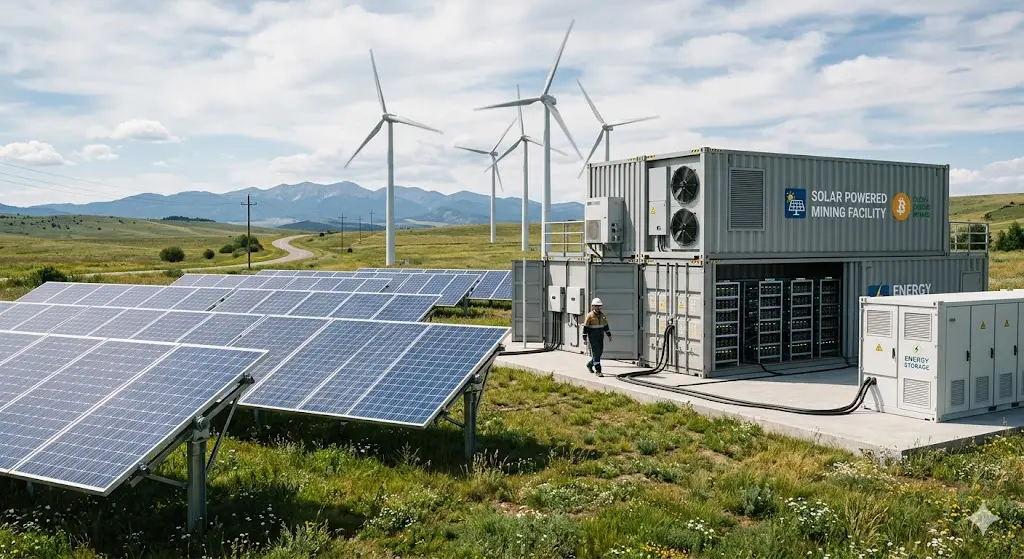
Solar farms and hydroelectric plants are increasingly paired with mining facilities. This allows operators to use excess energy that would otherwise go unused. It sounds simple, but it changes profitability models entirely.
2. Blockchain Networks Are Reducing Energy Dependency
Some blockchain systems are shifting away from energy-intensive validation methods. Renewable energy availability is accelerating this transition because it changes what “efficient” actually means.
Instead of focusing only on speed or security, networks are now balancing environmental cost with performance.
3. Governments Are Linking Energy Policy to Crypto Regulation
Regulators are starting to ask uncomfortable questions. Where does the electricity come from? How much carbon is emitted per transaction? Should certain mining activities be taxed differently?
These questions are directly shaping digital asset compliance frameworks across countries.
4. Investors Are Pricing in Energy Efficiency
Digital assets backed by sustainable infrastructure are gaining more attention from institutional investors. It’s not just about returns anymore; it’s about regulatory survivability.
In my opinion, this is where things get interesting. Assets tied to high-energy consumption may face valuation pressure over time, even if their technology is strong.
5. Data Centers Are Becoming Hybrid Energy Systems
Mining farms and blockchain data centers are evolving into hybrid energy hubs that combine solar, wind, battery storage, and grid electricity.
This shift reduces dependency on a single energy source and improves operational resilience during energy price fluctuations.
Common Misconception About Renewable Energy and Crypto
A lot of people assume renewable energy will automatically make digital assets environmentally harmless. That’s not entirely true.
Even renewable systems have limitations—intermittency, storage challenges, and infrastructure costs. So while clean energy reduces emissions, it doesn’t eliminate the broader resource consumption of digital systems.
Let me be direct here: switching to renewable energy doesn’t magically solve crypto’s energy debate. It just changes the structure of the debate.
Expert Tips: What Actually Works in This Space
From what I’ve observed, successful digital asset projects don’t treat energy as an afterthought. They integrate it into the core design of their systems.
One approach that works surprisingly well is aligning mining operations with surplus renewable energy zones. Instead of competing with residential or industrial energy demand, operations use excess production that would otherwise go wasted.
Another practical insight: companies that disclose their energy mix openly tend to build stronger investor trust. Transparency is becoming almost as important as profitability in this sector.
Here’s a bit of a hot take—projects that ignore energy accountability might still grow fast, but they’re sitting on long-term regulatory uncertainty. That usually catches up eventually.
Step-by-Step: How Renewable Energy Impacts Digital Asset Development
Step 1: Identify Energy Source Availability
Projects begin by analyzing where renewable energy is abundant and underused.
Step 2: Align Infrastructure with Energy Grids
Mining and validation systems are placed near renewable generation zones to reduce transmission losses.
Step 3: Optimize Blockchain Mechanisms
Networks adjust consensus models to reduce dependency on high-energy computations.
Step 4: Integrate Regulatory Compliance
Energy reporting systems are built into digital asset platforms to meet evolving legal requirements.
Step 5: Monitor Market Response
Investors and users respond to sustainability signals, influencing token value and adoption rates.
Unexpected Impact Most People Don’t Expect
Here’s something counterintuitive: renewable energy can actually increase competition in crypto mining instead of reducing it.
When clean energy becomes widely available, more participants enter the mining space because operational costs drop. That can lead to higher network difficulty and tighter margins.
So instead of making things easier, renewable energy sometimes intensifies competition in digital asset ecosystems.
Real-World Style Case Study
Think about a mid-sized blockchain startup setting up mining operations in a region with abundant wind energy. Initially, costs are low, and profits rise quickly.
But within a year, more companies enter the same region after realizing the energy advantage. Grid demand increases, regulations tighten, and profit margins shrink slightly.
However, the startup gains something more valuable: long-term sustainability credibility, which attracts institutional investors and stabilizes its token ecosystem.
That trade-off is becoming more common across the industry.
Expert Insights on the Future Relationship
Renewable energy and digital assets are slowly forming a shared ecosystem. One depends on computing growth, the other on energy transition.
In my experience, the most successful projects won’t be those that simply use renewable energy—they’ll be the ones designed around it from the beginning.
We’re also likely to see hybrid systems where blockchain networks actively participate in energy grid balancing, almost like digital tools helping stabilize physical infrastructure.
That crossover is where things get really interesting.
People Most Asked About Renewable Energy and Digital Assets
How does renewable energy affect cryptocurrency mining?
Renewable energy lowers operational costs for mining and reduces environmental concerns. It also influences where mining farms are located and how profitable operations can be in different regions.
Why is energy important for blockchain networks?
Blockchain systems require significant computing power, and that power depends directly on energy consumption. The type of energy used affects cost, scalability, and regulatory acceptance.
Can renewable energy make crypto fully sustainable?
Not completely. While it reduces emissions, digital assets still require infrastructure, cooling systems, and hardware production that consume resources.
Are investors really focused on green crypto projects?
Yes, especially institutional investors. Many now evaluate environmental impact alongside financial performance when considering digital asset investments.
Will governments regulate crypto based on energy use?
Most likely. Several regions are already exploring policies that tie mining regulations to carbon emissions and energy sourcing.
Does renewable energy improve blockchain performance?
Indirectly, yes. Stable and cheaper energy sources can improve operational consistency, but network performance depends more on protocol design.
Final Thoughts
Renewable energy is influencing the future of digital assets in ways that go far beyond environmental concerns. It’s reshaping economics, regulation, investor behavior, and even how blockchain systems are designed at their core.
The connection between clean energy and digital finance is only getting stronger, and projects that ignore it may find themselves struggling to adapt later. What looks like an energy conversation on the surface is actually a structural transformation of the entire digital asset economy.
Our network platform supports businesses, startups, and agencies aiming to grow visibility through strategic publishing and authority-driven marketing, offering access to high authority backlinks and strong brand visibility across competitive markets. With services linked through press release distribution services and digital marketing services, brands can achieve improved SEO ranking, organic traffic growth, and wider media coverage through instant publishing opportunities designed for scalable online presence.