

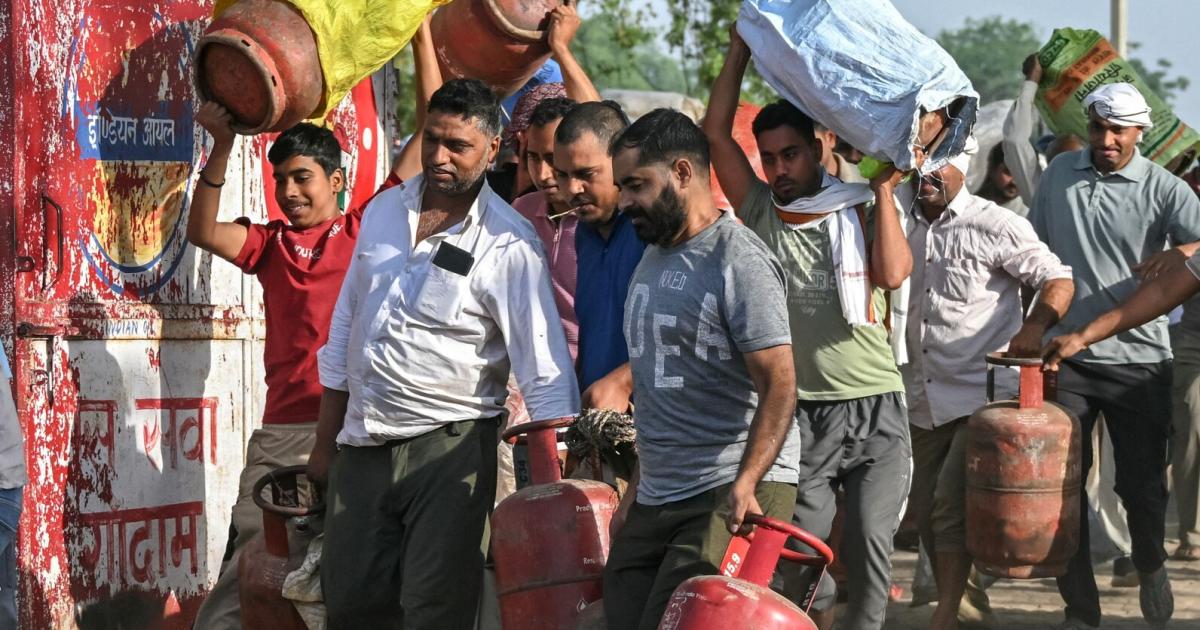
Since the Strait of Hormuz was blocked over two months ago, global energy markets have been in turmoil. The Iranian conflict has led to a severe shortage of crude oil, with an estimated one billion barrels missing from the global supply, according to Saudi Aramco. No country is feeling the pain more acutely than India, the world's most populous nation and the third-largest oil importer. India relies on imports for 90% of its oil needs and 60% of its liquefied petroleum gas (LPG), which is essential for cooking. The closure of the strait has choked off a major portion of these supplies.
Prime Minister Narendra Modi, fresh off a series of regional electoral victories for his Bharatiya Janata Party, has addressed the nation in a series of impassioned speeches. On Monday, he laid out a comprehensive austerity plan, asking citizens to drastically reduce their consumption of petrol and diesel. He urged people to use public transportation, form carpool groups, and accelerate the adoption of electric vehicles. Telecommuting and videoconferencing should replace business travel wherever possible. Farmers are requested to halve their use of chemical fertilizers, as the blockade has also triggered a severe shortage of fertilizer imports.
Modi: Patriotic Duty to Save Oil
In his most urgent address since the war began, delivered on Sunday, Modi made a direct appeal to every household: reduce cooking oil usage by 10%. "If each household reduces its consumption of edible oil, it will be a great contribution to the motherland," he said. The message was clear – patriotism now means frugality. The government also advised citizens to postpone all foreign travel for at least a year, encouraging domestic tourism instead. This includes destination weddings abroad, which are a significant source of foreign exchange outflow. Indians are also urged to defer gold purchases for one year, a major import item traditionally bought in large quantities for weddings. These measures aim to protect India's foreign exchange reserves and shore up the ailing rupee, which has depreciated sharply against the US dollar.
The crisis has not yet led to fuel rationing or drastic price hikes at the pump, unlike in some neighboring countries. State-owned oil companies have been absorbing the losses to keep prices stable. However, the ripple effects are already being felt. Food prices are rising, and the cost of cooking gas has increased significantly, hitting low-income households hardest. This has triggered a social phenomenon reminiscent of the early days of the pandemic: large numbers of factory workers are leaving cities and returning to their home villages, where living costs are lower and government welfare schemes are more accessible. An activist quoted in the Financial Times estimates that the number could be in the hundreds of thousands.
Historical Context and Economic Strain
The current situation echoes the oil shocks of the 1970s, but with a modern twist. India's dependence on imported energy has grown dramatically over the past decades. While the government has invested in renewable energy, solar and wind still account for only a fraction of the energy mix. The forced reduction in oil consumption could accelerate India's transition to electric mobility and renewable power, but in the short term, the pain is severe. The Reserve Bank of India is under pressure to hike interest rates to combat inflation, which would slow economic growth. Industrial output is already declining as factories face power cuts and raw material shortages.
Analysts warn that if the blockade continues for another three to six months, India could face a full-blown economic crisis. The government is exploring emergency oil imports from alternative sources such as Russia and Venezuela, but logistics and politics complicate these efforts. Meanwhile, Modi's appeals are a tool to manage demand without resorting to unpopular rationing. The political opposition has accused the government of mismanagement, but so far, the public mood appears to be one of reluctant compliance. The coming months will test India's resilience and the effectiveness of Modi's call for collective sacrifice. The nation watches as the Hormuz blockade reshapes global energy flows and forces one of the world's largest economies to adapt or suffer.
Source: Kurier News