

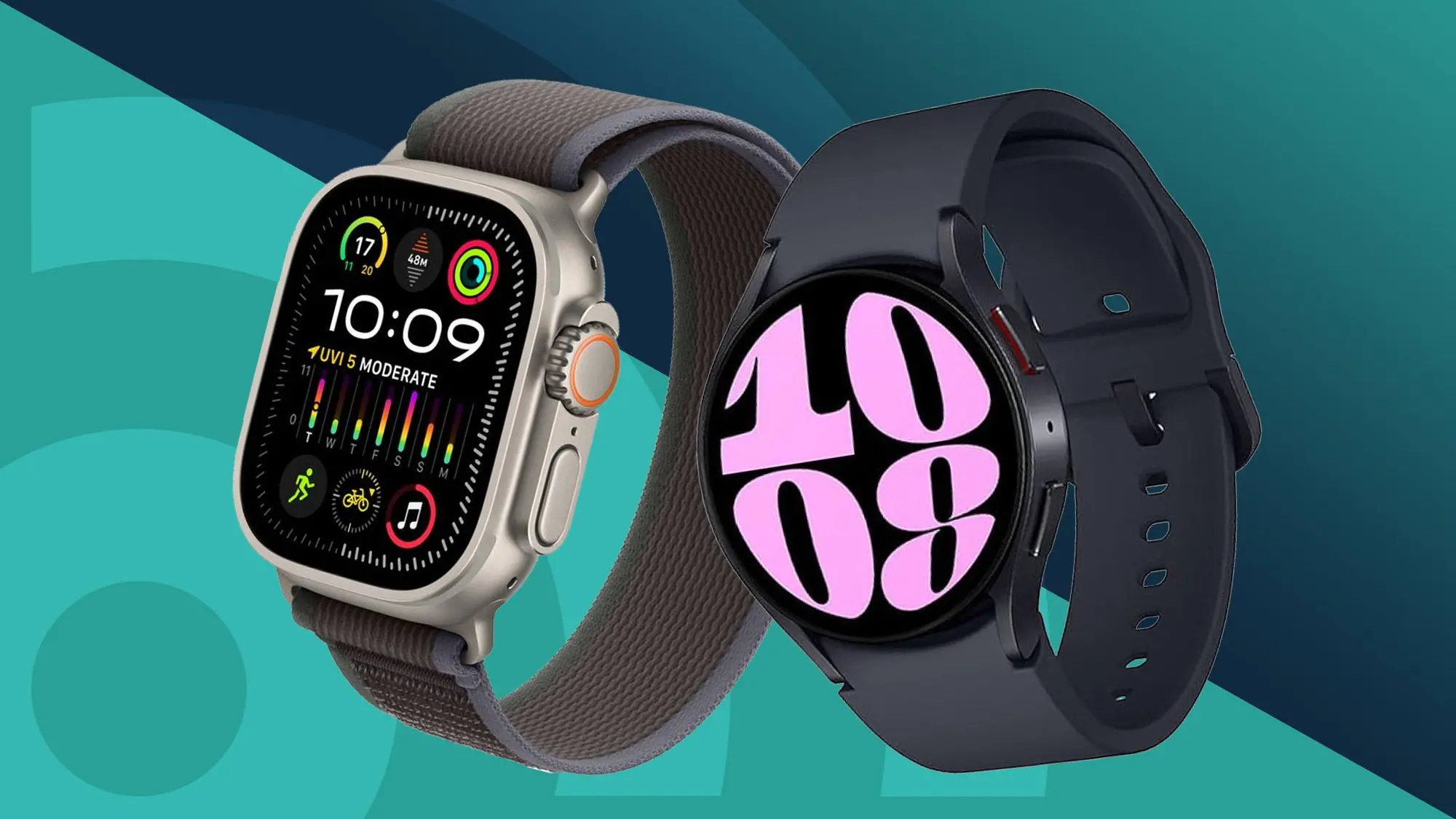
Smartwatches have evolved far beyond simple notification mirrors. In 2026, they are fully integrated health hubs, fitness coaches, and style accessories. With each major manufacturer pushing the boundaries of sensor accuracy, battery life, and ecosystem integration, choosing the right device requires careful consideration. This comprehensive guide breaks down the best smartwatches available this year, focusing on performance, value, and unique features.
Apple Watch Series 10: The Gold Standard Continues
Apple’s latest iteration, the Series 10, refines an already excellent formula. It introduces a larger, always-on LTPO OLED display that is both brighter outdoors and more power-efficient indoors. Health sensors now include a blood glucose monitor (non-invasive) for prediabetic users, alongside upgraded ECG and SpO2 capabilities. The S10 chip enables faster on-device processing for workouts like running and swimming, and the watchOS 11 update brings advanced training load metrics and smarter recovery suggestions. Battery life remains around 18 hours with typical use, though a new low-power mode extends it to 36 hours by limiting background sensors.
For fitness enthusiasts, the Series 10 adds automatic detection of new activity types like paddleboarding and rock climbing, with form corrections via haptic feedback. The integration with Apple Fitness+ has never been smoother, with personalized coaching that adjusts based on real-time heart rate zones. The watch also supports offline maps with turn-by-turn navigation, a boon for hikers and runners who leave their phone behind. With a starting price of $399, it remains the most cohesive smartwatch for iPhone users.
Samsung Galaxy Watch 7: The Android Powerhouse
Samsung’s Galaxy Watch 7, powered by Wear OS 5 and One UI Watch 6, is the best choice for Android users who want deep integration with their phones. It features a 10nm processor that makes animations buttery smooth, and a BioActive Sensor 2.0 that improves heart rate, blood pressure, and body composition accuracy. The new temperature sensor can track nightly sleep stages with thermal mapping, offering insights into circadian rhythm disruptions.
A standout addition is the "Energy Score" – a daily metric that combines sleep, activity, heart rate variability, and stress levels into a single number. The Galaxy Watch 7 also introduces a Fall Detection feature that works even during exercise, automatically calling emergency contacts if no movement is detected. Battery life sees a modest improvement: 40 hours with typical use, or 80 hours in power-saving mode. The rotating bezel returns in the Classic model, offering tactile navigation that many users love. Starting at $349 (Bluetooth) or $399 (LTE), it’s a strong competitor to the Apple Watch, especially for Samsung phone owners.
Google Pixel Watch 3: Refined and Reliable
Google’s third-generation smartwatch finally feels like a mature product. The Pixel Watch 3 adopts a larger 45mm case option alongside the 41mm, resolving one of the biggest complaints of earlier models. The Actua display peaks at 2,000 nits, making it readable under direct sunlight. Fitbit integration remains a core strength: the watch offers detailed sleep profiles, readiness scores, and an enhanced "Cardio Load" feature that tracks daily strain and recovery.
New for 2026 is an onboard ECG app that can detect atrial fibrillation, along with a skin temperature sensor that supports cycle tracking. Google’s tight integration with its ecosystem means seamless Google Wallet, Google Maps (with public transit alerts), and Google Assistant. The Pixel Watch 3 runs Wear OS 5 with guaranteed updates for three years. Battery life is average at 31 hours with always-on display, but a combined 55 hours with the power-saving mode. Price starts at $349, making it a compelling mid-range option that prioritizes health and simplicity.
Garmin Forerunner 265: The Athlete’s Choice
Garmin continues to dominate the serious fitness market, and the Forerunner 265 is the best all-around sports watch for runners, cyclists, and triathletes. It boasts a vibrant AMOLED touchscreen – a first for this series – while retaining the five-button layout for wet or gloved conditions. The training metrics are unparalleled: Training Readiness, Training Load Focus, and the new "Performance Condition" feature that adjusts your pace targets based on real-time weather, elevation, and fatigue.
Navigation is robust with preloaded topographical maps and multi-band GPS that locks onto satellites even in dense urban canyons. The Forerunner 265 also supports music storage (Spotify, Amazon Music, Deezer) and contactless payments via Garmin Pay. Battery life is exceptional: 13 days in smartwatch mode, 20 hours in GPS mode, and 6 hours with music. It includes advanced sleep monitoring with sleep score and insights, as well as HRV status to detect overtraining. At $449, it is pricier than competitors but offers unmatched depth for athletes who want to optimize performance.
Other Notable Mentions
Fitbit Charge 6
While not a full smartwatch, the Fitbit Charge 6 remains a top fitness tracker for users who prioritize battery life and simplicity. It offers over 40 exercise modes, built-in GPS, and the new "Readiness Score" that combines sleep, activity, and stress. It also includes Google apps like Maps and Wallet, but the small screen limits rich interactions. At $159, it’s an excellent entry point.
Garmin Venu 3
The Garmin Venu 3 is a lifestyle-focused smartwatch with an AMOLED display, onboard speaker and microphone for taking calls, and an advanced sleep coach. It includes a nap detection feature that captures even short rest periods and factors them into your energy levels. Battery life is around 14 days. Starting at $449, it’s ideal for users who want fitness tracking without the hardcore training focus of the Forerunner series.
Amazfit T-Rex 3
For rugged adventurers, the Amazfit T-Rex 3 offers military-grade durability (MIL-STD-810G), 100 meters water resistance, and a massive 20-day battery life. It includes dual-band GPS and a compass, barometric altimeter, and thermometer. The Zepp OS 3.0 is smooth, and the watch supports over 150 exercise modes. At around $179, it undercuts much of the competition while offering impressive battery and build quality.
Key Considerations When Choosing a Smartwatch
Beyond the specific models, several factors determine the best watch for you. Compatibility is paramount: Apple Watches only work with iPhones, while Wear OS watches work best with Android but offer limited support for iOS. Garmin, Fitbit, and Amazfit are agnostic, with full apps on both platforms. Battery life varies dramatically: expect 1–2 days from Apple and Samsung, 2–4 days from Google and Fitbit, and 1–2 weeks from Garmin and Amazfit. Health sensor accuracy has improved across the board, but Garmin and Apple still lead in clinical-grade measurements for heart rate and GPS precision.
Price also plays a role. Budget-conscious users can get excellent fitness tracking from Fitbit or Amazfit for under $200, while premium features like blood glucose monitoring, onboard maps, and top-tier build quality push prices over $400. It is also worth considering the subscription services: Apple Fitness+, Strava Premium, or Fitbit Premium add recurring costs that enhance the experience but are not mandatory.
Finally, think about the form factor. Larger watches suit active users who want a bigger screen for maps and metrics, while smaller bezels and lighter materials appeal to those wearing the watch 24/7, including sleep tracking. Many models now offer a choice of sizes, so try them in person if possible.
In 2026, the smartwatch market is more competitive than ever. Whether you are a serious athlete needing training load analysis, a health-conscious individual monitoring chronic conditions, or a tech enthusiast wanting seamless connectivity, there is a perfect wearable out there. The picks above represent the best in their categories, combining advanced sensors, intuitive software, and reliable performance. Take the time to match your priorities with the watch’s strengths, and you will find a device that becomes an indispensable part of your daily life.
Source: TechRadar News