

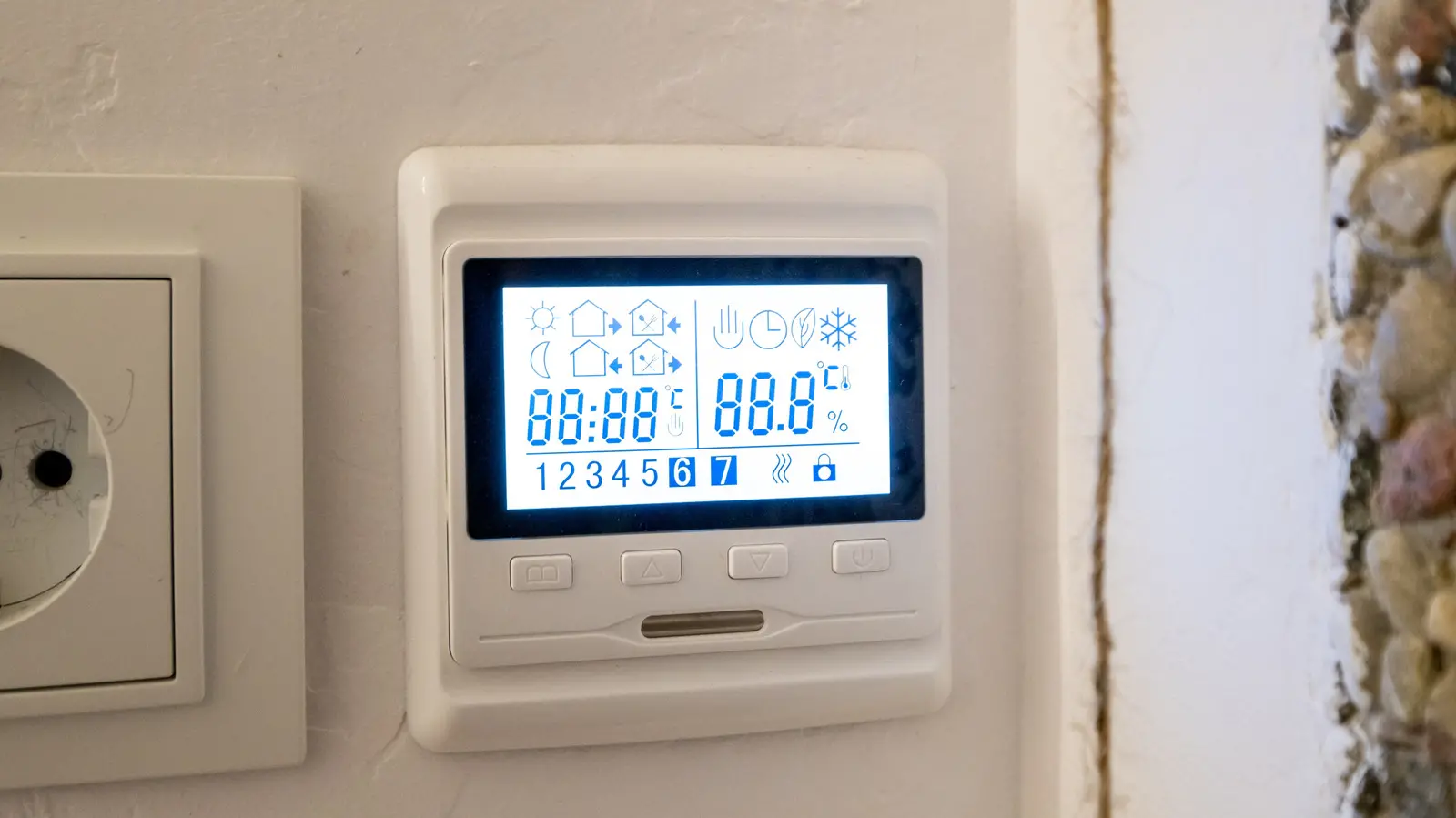
When summer heat descends, the battle over the thermostat setting often divides households. Yet, according to a consensus among energy authorities, there is a definitive answer to the question of the ideal temperature for air conditioning. The U.S. Department of Energy, alongside the Environmental Protection Agency’s Energy Star program and major utility companies, recommends setting your AC to 78 degrees Fahrenheit (25.5 degrees Celsius) during the summer months. This figure, oddly specific yet widely endorsed, aims to minimize electricity consumption while maintaining a tolerable indoor environment.
The logic behind the 78°F recommendation is rooted in thermodynamics and human physiology. Humans feel comfortable when the ambient temperature is around 72–78°F, depending on humidity and activity level. By setting the thermostat to the higher end of this range, the air conditioner runs less frequently, reducing energy usage without causing significant discomfort. According to Rochester Gas and Electric, each degree the thermostat is raised above 75°F can trim about 3% off cooling costs. Over a typical summer, these incremental savings accumulate, potentially lowering electricity bills by hundreds of dollars.
The Science of Energy Savings
The Department of Energy’s guidance extends beyond a static setpoint. They suggest that homeowners can achieve even greater efficiency by adjusting the temperature when away from home or asleep. Specifically, raising the thermostat by seven to ten degrees for eight hours a day can reduce annual heating and cooling expenses by as much as 10%. A practical schedule might involve keeping the home at 78°F while present, increasing it to 82°F during sleeping hours, and setting it to 85°F when the house is unoccupied. This approach leverages the fact that the body can tolerate slightly warmer conditions when still or asleep, and no cooling is needed when no one is home.
Modern variable-speed inverter air conditioners, which adjust their output incrementally rather than cycling on and off, are especially suited to such temperature management. These systems maintain consistent humidity control and can respond efficiently to changes in setpoint, making energy-conscious adjustments more effective than with older units. Pairing a programmable or smart thermostat with these ACs allows for automated scheduling, ensuring comfort upon arrival while avoiding wasted cooling during empty hours.
Complementary Cooling Strategies
Setting the thermostat is only the first step. To maximize energy savings, homeowners should integrate other passive and active cooling techniques. Ceiling fans, for example, can make a room feel several degrees cooler by increasing air movement across the skin, a phenomenon known as the wind chill effect. The Department of Energy notes that using a ceiling fan allows you to raise the thermostat another two degrees without sacrificing comfort. Since fans consume 10 to 20 times less electricity than air conditioners, this combination drastically cuts energy use—Energy Star estimates savings of up to 14% on cooling costs. However, fans cool people, not rooms, so they should be turned off when no one is present.
Window coverings play a crucial role as well. Direct sunlight through glass accounts for a significant portion of heat gain in summer. Cellular shades, especially those with tight-fitting edges, can block up to 60% of solar heat. Standard curtains with white plastic backing reduce heat gain by about 33%. Reflective films or exterior awnings can provide even greater protection. By blocking sunlight during peak hours, these coverings reduce the cooling load on the AC, allowing it to maintain the set temperature with less energy.
Maintenance and Avoidable Pitfalls
Simple maintenance tasks further enhance efficiency. Regularly vacuuming air intake vents and keeping furniture away from registers ensures unobstructed airflow. Checking for air leaks around windows, doors, baseboards, and outlets prevents cool air from escaping and warm air from infiltrating. Sealing these gaps with caulk or weatherstripping is a low-cost improvement with immediate payoff.
A common oversight involves the placement of heat-generating devices like lamps, televisions, or computers near the thermostat. These devices emit heat that the thermostat detects, causing it to run the air conditioner longer than necessary. Similarly, positioning the thermostat in a hallway far from living areas may misrepresent the actual temperature. For homes with smart thermostats, remote sensors can be placed in occupied rooms to provide more accurate readings.
Finally, consider the role of humidity. High humidity makes warm air feel unbearable because sweat evaporation slows. While air conditioners naturally dehumidify, running them at a lower temperature can over-cool to remove moisture. Using a dehumidifier in especially humid climates might allow you to keep the thermostat at a higher setting while feeling comfortable. Alternatively, some smart thermostats can control humidity directly.
Upgrading to a smart thermostat offers additional benefits: learning algorithms adapt to your schedule, geofencing adjusts temperature when you leave or approach, and detailed energy reports help identify savings opportunities. Estimates suggest smart thermostats can save 8–15% on cooling costs, complementing the savings from setting the thermostat correctly.
In summary, the consensus among energy experts is clear: 78°F is the benchmark for summer thermostat settings. However, achieving maximum efficiency requires a holistic approach that includes fan usage, window shading, maintenance, and thoughtful scheduling. By implementing these strategies, households can stay comfortable while significantly reducing their energy footprint and monthly bills.
Source: SlashGear News