

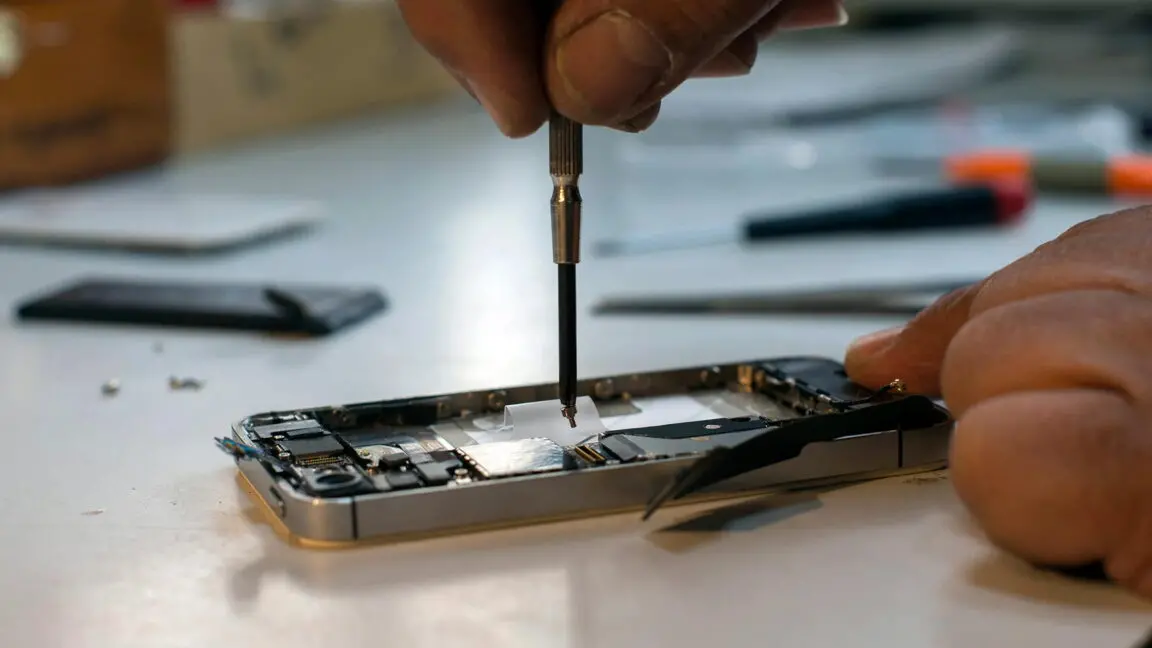
A Major Victory for Repair Rights in Colorado
In a significant setback for technology companies seeking to limit consumer repair options, a bill that would have weakened Colorado's landmark right-to-repair law has been defeated. The bill, SB26-090, was introduced in the Colorado Senate on April 2 and quickly passed both that chamber and a first hearing before being killed in a House committee vote on Monday evening. The 7-4 decision in the House State, Civic, Military, and Veterans Affairs Committee effectively postponed the bill indefinitely, ending what many advocates saw as a bellwether attempt to roll back repair protections across the United States.
Colorado's 2024 Consumer Right to Repair Digital Electronic Equipment law, which took effect in January 2026, requires manufacturers to provide owners and independent repair shops with the tools, parts, and documentation needed to fix digital electronics such as phones, computers, and Wi-Fi routers. The new bill would have exempted any device categorized as "critical infrastructure" from those requirements, a term opponents said was dangerously vague and could be applied to almost any technology.
The Battle in the Legislature
SB26-090 was sponsored by lawmakers including Representative Chad Clifford, Democrat and vice chair of the House committee. The bill was backed by a lobbying effort from companies like Cisco and IBM, who argued that opening up repair documentation could create cybersecurity risks. Clifford pointed to Cloudflare's famous lava lamp wall used to generate random encryption keys as an example of a sensitive system that should remain secret. "How they do that, I believe they should be able to keep it a secret, even in Colorado," Clifford said during the hearing.
But cybersecurity experts testifying against the bill dismantled that argument. Billy Rios, a white-hat hacker, noted that most hacks occur remotely, not through physical repair. "There is no time," Rios said. "It doesn't work that way." The hearing drew dozens of public comments from supporters and opponents. Danny Katz, executive director of the consumer advocacy group CoPIRG, highlighted the coalition that fought the bill: "While we were making progress at chipping away at the momentum for it, we had still been losing. So we took nothing for granted." The coalition included organizations such as PIRG, Repair.org, iFixit, Consumer Reports, and local businesses and environmental groups.
Economic and Security Arguments
Supporters of the bill also raised economic concerns, arguing that large tech firms might stop selling in Colorado if forced to comply with the repair law. Clifford warned: "What they're going to do is just not have commerce on those items here." However, this argument failed to sway a majority of the committee. Representative Naquetta Ricks, who voted no, expressed confusion about the bill's purpose: "What are we really trying to do here? Are we protecting just one company, or are we looking at really critical infrastructure? I'm not convinced."
The cybersecurity narrative was particularly scrutinized. Experts pointed out that withholding repair tools does not prevent remote hacks, and that in many cases, defenders need to make real-time changes without waiting for manufacturer permission. The idea that repair access equals security risk was rejected by a broad array of witnesses, including cybersecurity professionals, recyclers, and small business owners.
National Implications and the Future of Repair
The fight in Colorado is part of a larger national movement. Since the early 2000s, farmers, medical professionals, and consumers have pushed for the right to repair their own equipment, often facing opposition from manufacturers who claim that opening up repair reduces revenue and increases liability. Colorado's 2024 law was one of the strongest in the nation, and its potential weakening would have been seen as a green light for other states to follow suit. Now, advocates hope the defeat sends a clear message.
Nathan Proctor, senior director of US PIRG's Campaign for the Right to Repair, said he expects the battle to continue. "The fact of the matter is, unfixable stuff is everywhere," Proctor wrote. "This is a widespread problem, and it requires a widespread response." Other states, including Iowa, have recently passed their own repair laws, and dozens more are considering similar legislation. The Colorado hearing demonstrated that the public and lawmakers are increasingly aware of the importance of repair rights.
The cost of repairing modern electronics has risen dramatically, and many devices are designed to be replaced rather than fixed. This leads to electronic waste and consumer frustration. Right-to-repair laws aim to reduce this waste by giving people the freedom to fix their own devices. Companies like Apple, while not directly involved in this bill, have long resisted such laws, arguing that they compromise security and innovation. However, the Colorado committee's decision suggests that security arguments may not be enough to override consumer interests.
The hearing lasted late into the evening, with exhausted lawmakers finally ending the debate. The vote to postpone indefinitely was a relief for the many volunteers and advocates who had traveled to the state capitol. Katz noted that the broad coalition of testifiers made a difference: "The incredible testimony from the broad range of cybersecurity experts, businesses, repair advocates, recyclers, and people who want the freedom to fix their stuff made a big difference."
While this battle is won, the war over repair rights is far from over. Lobbyists, backed by deep-pocketed technology companies, are expected to introduce similar bills in other states. The Colorado fight may become a template for how to defend repair laws. Advocates are now focusing on educating the public and lawmakers about the real-world benefits of repair, from reducing waste to saving money. They also emphasize that security and repair can coexist, as long as manufacturers provide secure, open documentation rather than locking down devices completely.
The key facts are clear: Colorado's right-to-repair law remains intact, SB26-090 is dead, and the coalition that defeated it is energized. The outcome underscores a growing demand for consumer rights over the products they purchase. As technology becomes more integrated into everyday life, the ability to fix one's own devices is becoming a core consumer expectation. The failed attempt to repeal Colorado's law may be remembered as a turning point in the national repair movement.
Source: Ars Technica News