

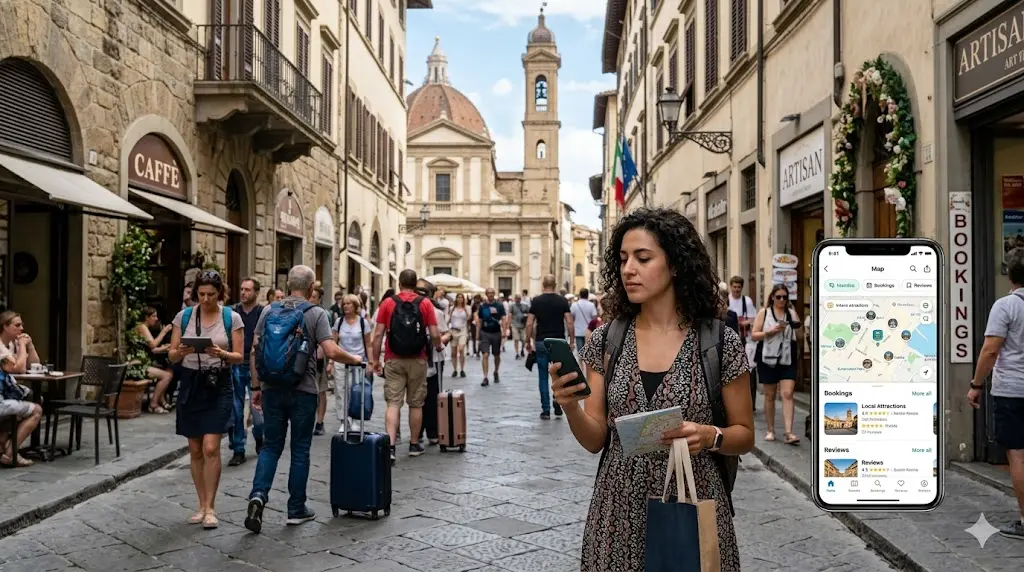
Tourism recovery is becoming essential in the digital economy because travel demand, digital booking behavior, and global economic recovery are now tightly connected. When tourism slows down, digital platforms that depend on travel traffic also feel the impact, and that ripple effect spreads across multiple industries.
What most people overlook is that tourism today is no longer just about physical movement. It’s deeply tied to digital discovery, online reputation, and real-time consumer decision-making. That shift is exactly why tourism recovery is now a digital economy priority, not just a travel industry concern.
Tourism recovery is essential in the digital economy because travel behavior is now driven by online platforms, digital payments, and global connectivity. Strong tourism recovery supports digital businesses, improves local economies, and strengthens online travel ecosystems that depend on continuous user engagement and mobility trends.
What Is Tourism Recovery in the Digital Economy?
Tourism Recovery in the Digital Economy: The process of rebuilding travel demand and tourism activity while using digital tools, platforms, and technologies to restore global mobility, booking behavior, and tourism-related economic growth.
Here’s the thing. Tourism used to recover mainly through physical infrastructure and marketing campaigns. Now, recovery also depends on digital visibility, online trust signals, and how quickly destinations re-establish themselves on digital platforms.
In my experience, destinations that recover faster are not always the most famous ones. They’re often the ones that manage digital engagement better, respond to traveler behavior quickly, and rebuild trust through consistent online communication.
And honestly, that changes how we define tourism recovery entirely.
Why Tourism Recovery Matters in 2026
By 2026, tourism is no longer isolated from digital ecosystems. It directly influences e-commerce, digital payments, remote work travel, and even social media economies built around travel content.
Let me be direct. If tourism slows down, digital economies that rely on traveler spending and online booking systems feel immediate pressure.
What’s interesting is how quickly traveler expectations have evolved. People don’t just want destinations anymore. They want digital confidence before they even travel. That includes reviews, virtual previews, and seamless online booking experiences.
Another overlooked point is how tourism recovery influences small businesses far beyond hotels and airlines. Local restaurants, digital advertisers, and service providers also depend on consistent tourist inflow driven by online discovery systems.
Expert Tip
Destinations that invest in digital trust building recover faster than those that focus only on traditional marketing campaigns. Online reputation now matters as much as physical infrastructure.
How Tourism Recovery Works in the Digital Economy — Step by Step
Understanding tourism recovery in a digital context makes the process much clearer. It’s not just about reopening borders or increasing flights.
Step 1: Rebuilding Digital Visibility
Destinations and tourism brands need to reappear in search results, travel platforms, and social media feeds to regain attention.
Step 2: Restoring Traveler Confidence
Clear communication about safety, pricing, and accessibility helps rebuild trust. Without trust, digital engagement doesn’t convert into bookings.
Step 3: Strengthening Online Booking Ecosystems
Travel platforms, payment systems, and booking engines must function smoothly to reduce friction in decision-making.
Step 4: Encouraging Content-Driven Travel Demand
User-generated content, reviews, and travel stories play a major role in influencing future travel decisions.
Step 5: Supporting Local Digital Economies
Tourism recovery also boosts local businesses that depend on digital discovery, from small hospitality providers to experience-based services.
Common Misconception About Tourism Recovery
A lot of people think tourism recovery is only about increasing visitor numbers.
That’s not entirely true.
What research and real-world patterns show is that recovery is also about improving the quality of digital engagement before and after travel. In many cases, destinations with lower visitor numbers but stronger digital engagement recover economically faster than overcrowded but poorly managed ones.
Expert Tips and What Actually Works in Tourism Recovery
Here’s something I’ve noticed over time.
Many tourism strategies still focus heavily on physical promotions while underestimating digital behavior. That’s a gap.
In my opinion, the real driver of tourism recovery now is digital storytelling. Travelers don’t just choose destinations based on cost or distance anymore. They choose based on what they see online, often subconsciously.
I’ve seen destinations recover faster simply because they improved their digital presence rather than changing physical infrastructure. That might sound a bit surprising, but it keeps showing up in behavior patterns.
Another thing people often miss is timing. Recovery doesn’t happen evenly. It builds in waves, and those waves are heavily influenced by online trends and seasonal digital engagement spikes.
And here’s a slightly counterintuitive point: sometimes limiting tourism temporarily helps long-term recovery. It gives destinations time to rebuild digital reputation and improve user experience before scaling again.
Expert Tip
Don’t treat digital marketing as a support tool for tourism recovery. Treat it as the recovery engine itself. Without it, physical improvements don’t reach the right audience.
Tourism Recovery Is Becoming Essential in the Digital Economy: Key Insights
Research findings on tourism recovery in the digital economy consistently highlight three major patterns.
First, digital platforms now act as the primary decision-making space for travelers. People rarely decide to travel without checking online sources first.
Second, trust is the strongest currency in travel recovery. Even small improvements in transparency can significantly increase booking intent.
Third, mobile-first behavior is shaping tourism recovery speed. Regions that adapt faster to mobile booking systems tend to recover quicker.
What most people underestimate is how emotionally driven travel decisions have become. It’s not just logistics anymore. It’s inspiration, validation, and perceived experience quality before travel even begins.
Real-World Example: Destination Recovery Through Digital Engagement
Imagine a coastal destination recovering after a long tourism slowdown.
Initially, visitor numbers remain low despite reopening. Hotels are ready, transport is available, but bookings are weak.
Then the local tourism board shifts focus to digital storytelling. They encourage travelers to share experiences, improve online visibility, and respond actively to reviews.
Over time, search interest grows. Social media content increases. Travelers begin to trust the destination again.
Eventually, bookings rise—not because infrastructure changed dramatically, but because digital perception improved.
That’s the real power of tourism recovery in today’s economy.
Personal Insight: Why Traditional Tourism Planning Often Misses the Point
Here’s my honest take.
A lot of tourism strategies still assume recovery is linear. You invest, you promote, and visitors return. But that’s not how digital behavior works anymore.
I’ve seen destinations spend heavily on infrastructure while ignoring their online reputation. The result? Slow recovery despite real-world readiness.
And honestly, that mismatch is becoming more common.
What actually works better is the opposite approach: rebuild digital trust first, then scale physical operations around demand signals.
It feels a bit backwards, but it works.
People Most Asked About Tourism Recovery in the Digital Economy
Why is tourism recovery important for the digital economy?
Tourism recovery supports digital platforms, online booking systems, and local businesses that depend on traveler engagement and digital transactions.
How does digital technology affect tourism recovery?
Digital tools improve visibility, streamline bookings, and build trust through reviews and content, making recovery faster and more efficient.
What role does social media play in tourism recovery?
Social media shapes traveler perceptions, influences destination choices, and accelerates recovery through shared experiences and online engagement.
Is tourism recovery only about increasing visitors?
No, it also involves rebuilding trust, improving digital presence, and ensuring smooth online-to-offline travel experiences.
Can small destinations benefit from digital tourism recovery strategies?
Yes, smaller destinations often recover faster when they focus on targeted digital visibility and community-driven content.
What slows down tourism recovery the most?
Poor digital reputation, lack of trust, and weak online visibility are often bigger barriers than physical infrastructure issues.
Final Thoughts
Tourism recovery is becoming essential in the digital economy because travel behavior is now shaped as much by digital perception as by physical availability. Destinations that understand this shift are recovering faster, building stronger engagement, and staying competitive in a rapidly changing global environment.
And if there’s one thing that stands out, it’s this: tourism recovery isn’t just about bringing people back. It’s about rebuilding how people discover, trust, and choose destinations in a digital-first world.
Businesses aiming to strengthen online presence can benefit from professional guest posting services, press release distribution services, and SEO services designed to boost brand visibility, increase SEO ranking, and generate high authority backlinks through targeted digital outreach. Platforms like business press release services and digital marketing agency support instant publishing, media coverage, and organic traffic growth, helping startups, agencies, and enterprises scale their digital footprint with measurable marketing impact.